Value my carSell my car
Indexa
Sign in
Indexa

Find out what your car is worth.

Enter a registration and a mileage and the index prices your car against every comparable one sold in the last 90 days. It costs nothing, it takes about two minutes, and nobody calls you afterwards.
1.2M
valuations run this year
90 days
of sold records behind every figure
2 min
from plate to printed range
£0
the fee, on any car
A valuation, already runLive cut
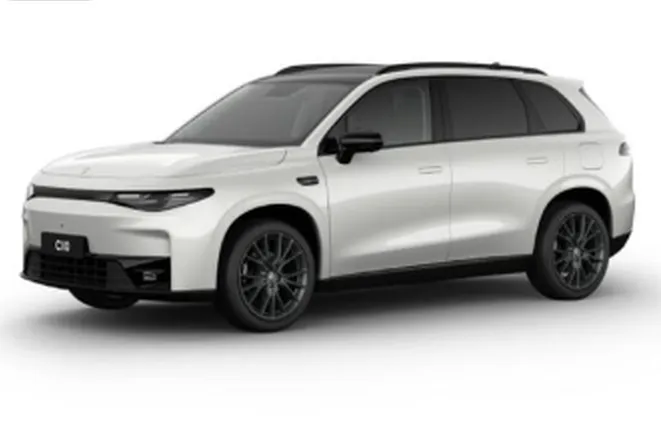
2025 Leapmotor C10 Design in grey, three-quarter front view

IX-2025-27450

2025 Leapmotor C10 Design 69.9 kWh

£27,450£28,400 cut median

Priced 45th of 186 comparable records sold in the last 90 days

Engine
69.9 kWh
Year
2025
Mileage
2,100 mi
Gearbox
Automatic
See the record it priced

How the index prices your car

The same four steps run for a ten-year-old Fiesta and for this year’s SUV. Asking prices are not consulted — the index prices receipts, not wishes.

See a record the index has priced

Step one

The plate finds the car

Nine fields come back against your registration from the DVLA — make, model, year, engine, keeper count and MOT history. What the plate says is what gets priced, not what you typed.

Step two

Your mileage is priced in

The reading is set against the depreciation curve for that exact model, not a flat pence-per-mile guess. High-mileage examples are docked where the sold records dock them.

Step three

Only sold cars count

Every comparable car sold in the last 90 days forms the cut, and forecourt asking prices are excluded. An asking price is a wish; a valuation is not a wish.

Step four

You get the range, printed

Not one flattering number: the band your car sits in, the median for the cut, and how far either side. If the figure is unflattering, the page says so.

1.2Mvaluations this year·90days of sold data in every cut·£0to run one·0dealer calls it triggers

What the figure covers, and what it cannot.

A valuation is a measurement, not a promise. Five things go into the number, and four things that move a real sale are honestly outside it.

What the figure covers

  • The plate. Everything the DVLA returns against your registration — identity, keepers, MOT history — is the car that gets priced.

  • The mileage. Adjusted on the model’s own curve, where the sold records say it hurts and where it doesn’t.

  • The 90-day cut. Every comparable sale of the last 90 days, including the cheap ones. Nothing is trimmed to flatter the figure.

  • The placement. The band, the median, and your car’s position between them — printed, with the count of records behind each band.

  • The paper trail. File the car afterwards and the same figure prints on its record, so buyers see what you see.

All five come from sold records. None comes from a dealer’s opinion, and none is for sale.

What it cannot tell you

  • /cars/…The condition Two identical Golfs are not the same Golf. The index prices the record; only you know what the scratch cost.

  • /submit/The options list Every extra is worth something to somebody and little to the cut. The index prices the average; your panoramic roof is your problem.

  • /specialists/…The work it needs A cambelt due next month is invisible to the plate. Price it into your expectations, because buyers will price it into theirs.

  • /used-cars/This afternoon’s market The figure is a 90-day measurement, not a forecast. The cut moves weekly, so re-run it the week you actually sell.

£0per valuation·0sign-ups required·1email, if you want one·90days of receipts in the cut

Price my car

Three fields and a plate. Everything that can be taken from the registration is taken from the registration.

The valuation is an estimate from sold records, not an offer to buy. Your email is used to send the figure once, and for nothing else. Third parties we pass it to: 0.

Questions this page gets

What the figure is, what it isn’t, and what happens to the valuation if you go on to sell.

Help centre
How accurate is the figure?
It is a range measured from every comparable car sold in the last 90 days, printed as a range with the median beside it. What it cannot see — condition, options, the work it needs — is listed in the section above, and it moves the real price more than most people expect.
Does it really cost nothing?
£0. No fee to run the valuation, no fee to have the figure emailed, and no paid tier that buys a higher number. Third parties the figure is passed to: 0.
Will a dealer call me?
No. The valuation prints on this page and, if you gave an email, lands there once. Your details are not passed to dealers, and no dealer is told that you ran one.
My car has a private plate, or is an import.
The plate resolves what the DVLA has on file; where it resolves to nothing, the page says so instead of guessing. Imports are priced only where a sold cut exists — sometimes the honest answer is that the index cannot price it.
Can I sell straight from the valuation?
Yes. File the car on the submit page and the same figure prints on its record for buyers to see — the band, the median and the placement. A record you are ashamed to show a buyer is a record the index does not want.
How long is the figure good for?
Treat it as 90 days, because that is the measurement. The cut moves weekly and re-running the valuation is free, so run it again the week you actually sell.